Notes From the Field – Summer 2025

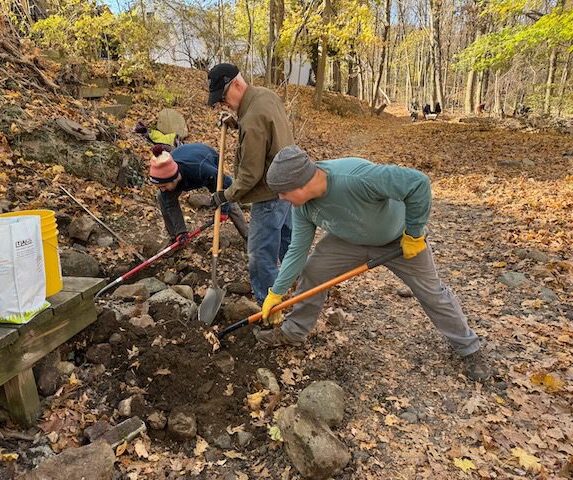
A trail crew hard at work repairing a footbridge. The data collected by Trail Adopters helps us identify areas of need and prioritize new trail work projects!

Trail Adopters

Our Trail Adopters have submitted 460 individual reports this year about trail usage, downed trees, missing trail blazes, erosion issues, and more. DCR has been hard at work responding to these issues and cleaning up the trails, especially after our more frequent microbursts and brief heavy rainfalls. For the Trail Adopters who have reported the large, leaning, and fallen tree in Lawrence Woods by B5-11, DCR is working with an outside contractor to strategically and safely remove that tree. Thank you for all your reports!
Interested in becoming a Trail Adopter? Learn more here!

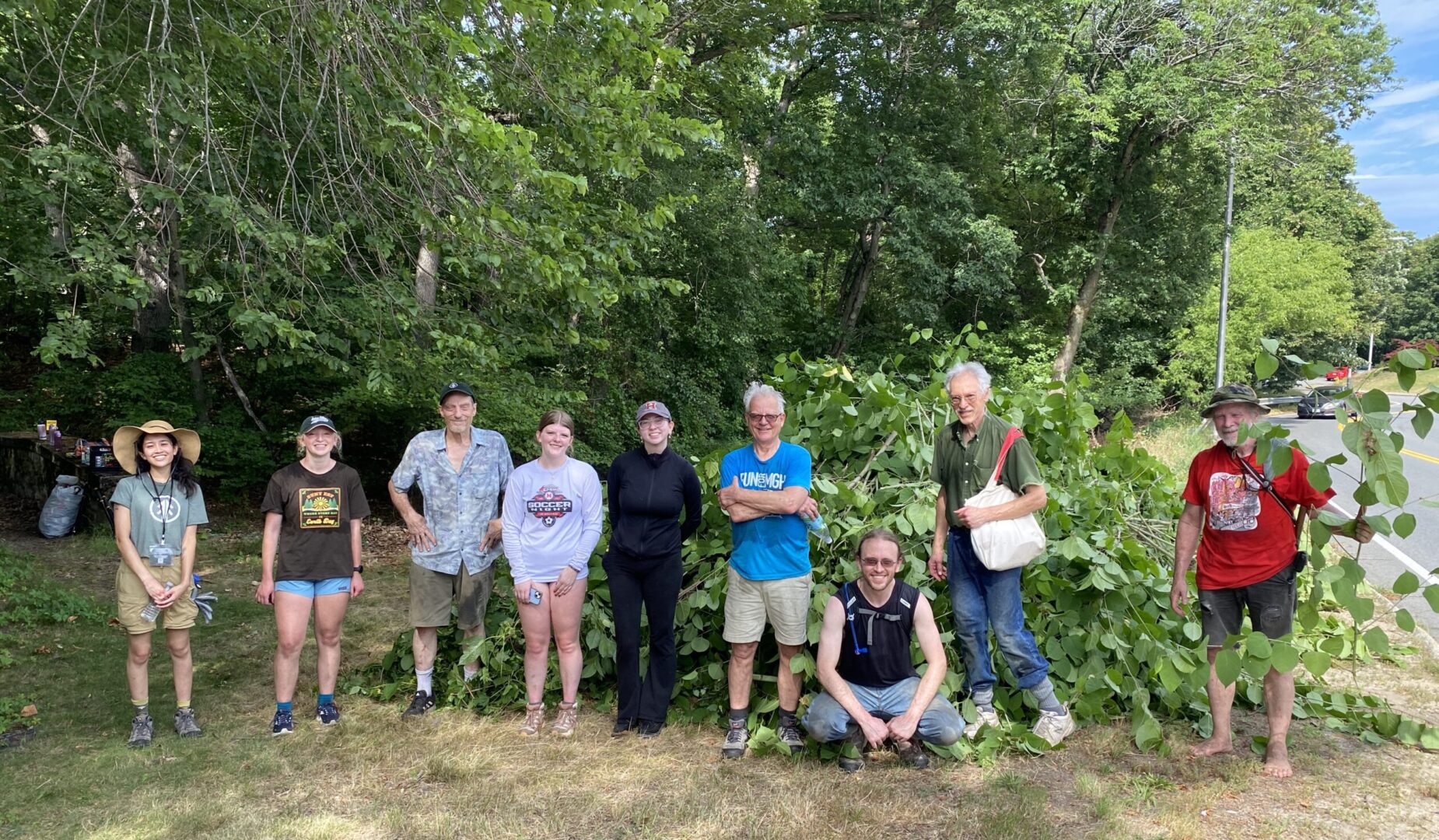
Volunteers pose beside a giant pile of Japanese Knotweed they removed at Bellevue Pond!

Invasive Plant Management

Volunteers finished prep-cutting the Japanese knotweed at Greenwood Park and Bellevue Pond in June. In September, a DCR-licensed contractor will administer a foliar spray to the regrown knotweed. The spray is applied during a window called the “FFFF” or “final flower, first frost” window. This is the most effective time to apply herbicide to the plant, for this is when the plant pulls its energy and resources back into the rhizomes to prepare for winter. The prep-cut is critical because it reduces the height of the plant and allows the contractors to apply herbicide at a safe height and not above their heads.
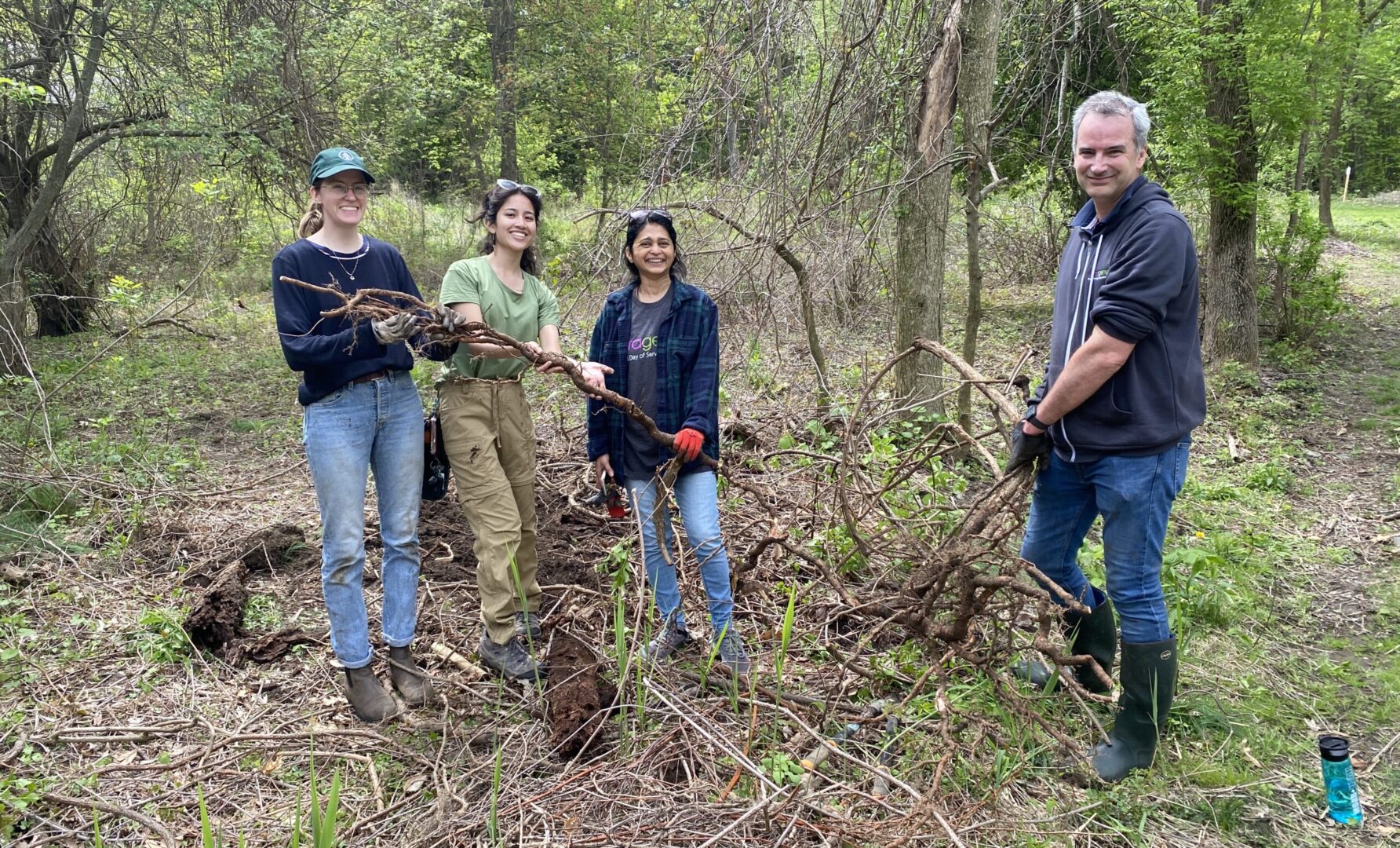
 

Volunteers and staff members uproot a large bittersweet vine near Botume House.

Buckthorn, bittersweet, multiflora rose, and porcelain berry continue to be removed at multiple sites. These four plants tend to be targets year-round for our volunteers, as they are easier to identify without their leaves and easier to access in the winter. Volunteers have made significant progress against porcelain berry in Greenwood Park and by the Tudor Barn. You can check out our progress over at Tudor Barn over the past year by viewing our slideshows here and here.
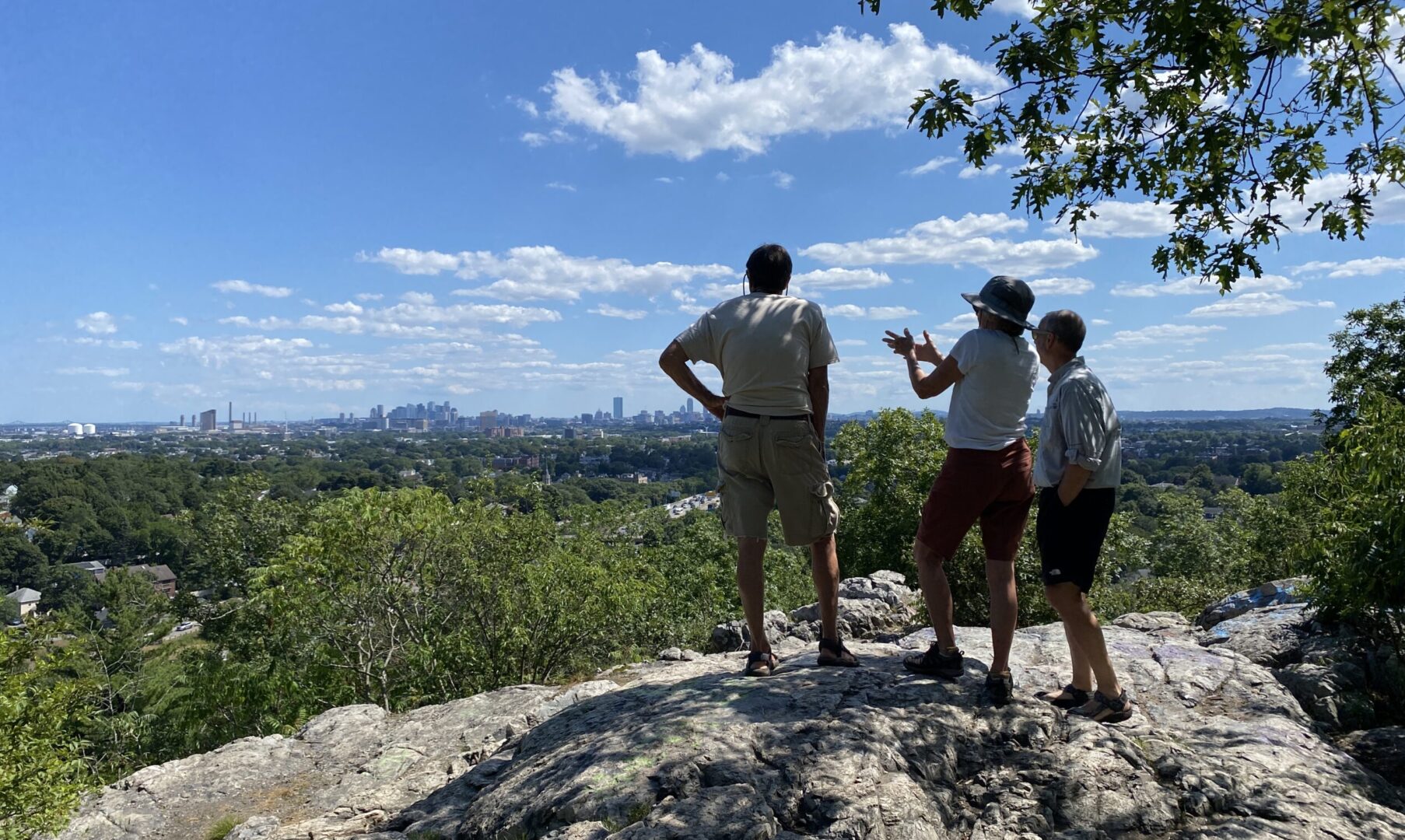
Hikers enjoying the view of the Boston skyline from an overlook near Wright’s Tower.

Hikes

Volunteer hike leaders have guided over 15 outings across the Fells so far this summer. The hikes have explored wildflowers at Long Pond, birds at the North Reservoir, and the length of the Cross Fells Trail. Check out our full lineup of more events later this summer and into fall here


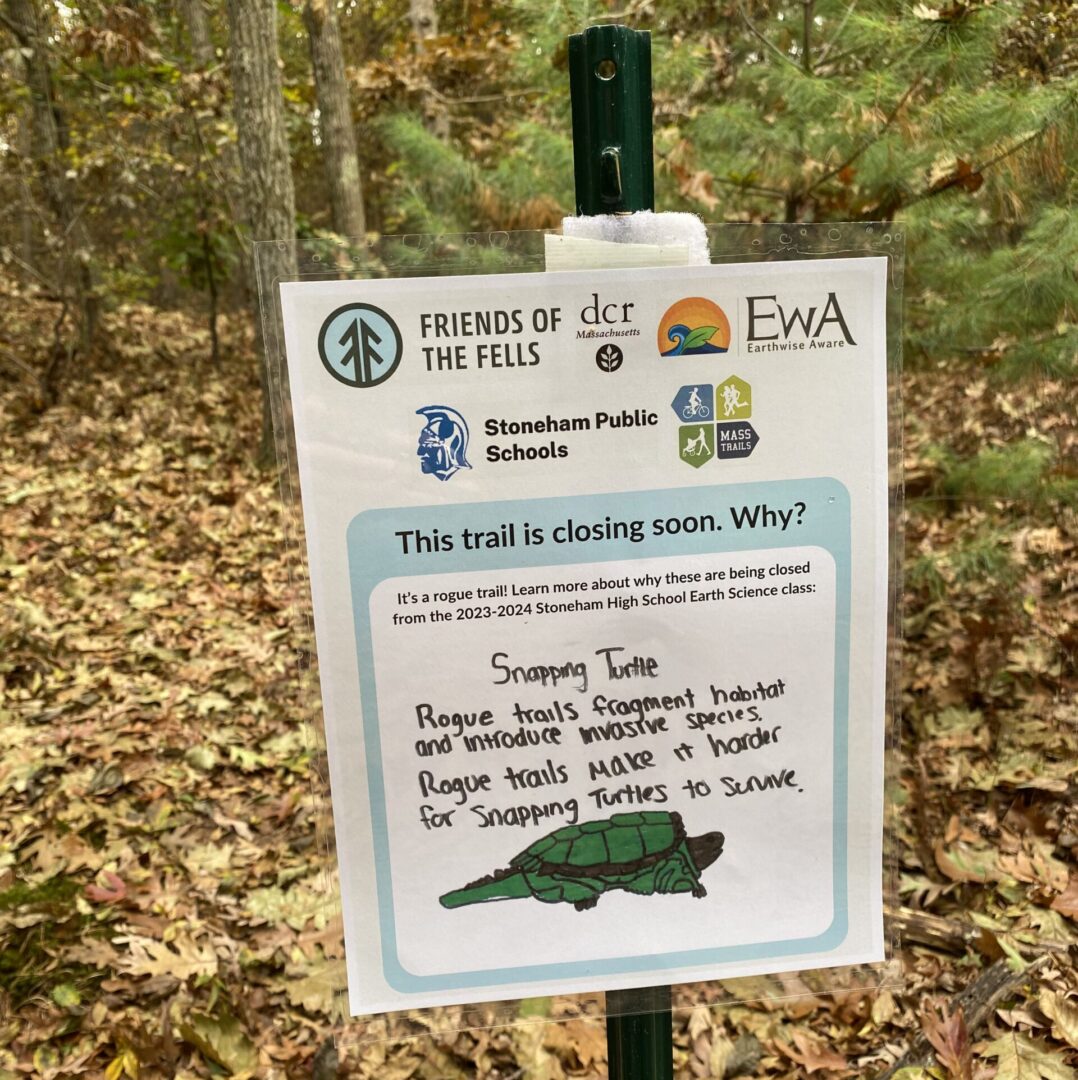
A trail closure sign at Greenwood Park.

Trail closures

The three unofficial trails that were closed at Greenwood Park in December of 2024 remain closed! We are thrilled with the success of these trail closures and look forward to continuing this work at other locations across the Fells. Three more unofficial trails will be closed near the Bear Hill Parking Lot later in the fall. Pre-closure signs have been posted with a survey link to ask trail users their thoughts on the trail closures. 

Why are we closing these trails? To reduce our impact on the Fells and to restore sensitive habitats for our plant and wildlife species. Learn more about unofficial trails and our work here. We want to hear your thoughts about closing unofficial trails. Tell us here!

Thank you!

We’d like to thank the following groups who have joined us since the early summer and have made a big impact in helping us remove invasive plants, pick up trash, and work on trails:


AMC 20s and 30s Group

Be Biopharma

Cadence & Goodera

Church of Ladder Day Saints North Shore Youth Group

Department of Conservation and Recreation (DCR)

Earthwise Aware (EwA)

Gay for Good

Google Serve

Team Rubicon


Interested in assisting these efforts? Apply to volunteer here!


Want to volunteer with your group, company, school, or team? Learn more about our group volunteering opportunities here.


Reach out to friends@fells.org if you have any questions or if you’d like to get more involved in these efforts.
Sweet Pepperbush

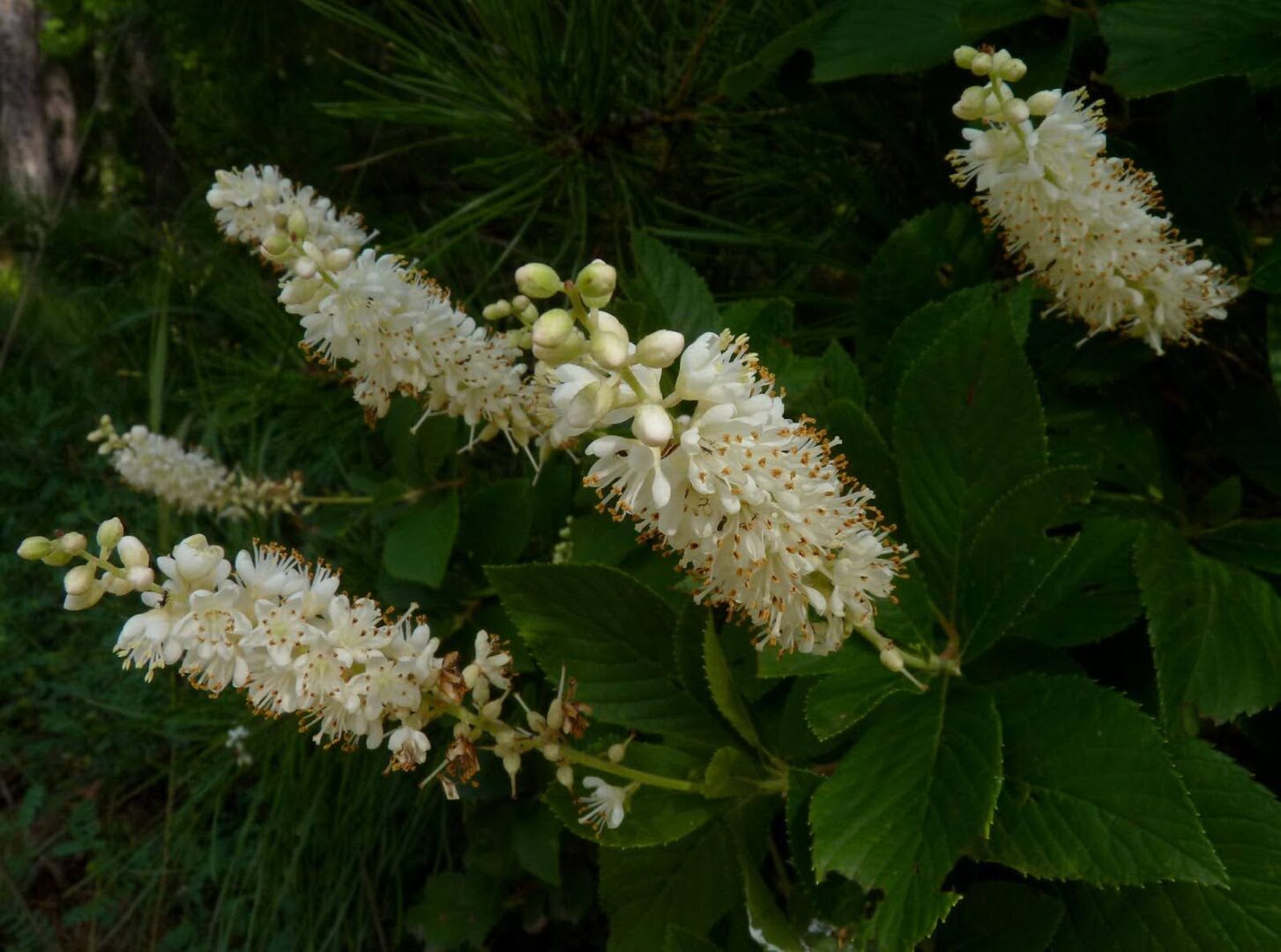
As you explore the Fells, you’re most likely seeing (or smelling!) our native Sweet Pepperbush. You’ll typically see these lining wetlands or damp areas, as they enjoy wet feet and neutral to acidic soil. Bumblebees love these late-summer flowering shrubs and their sweet scent. Be sure to check out Greenwood Park or Long Pond to see some of these patches for yourself.

Jewelweed

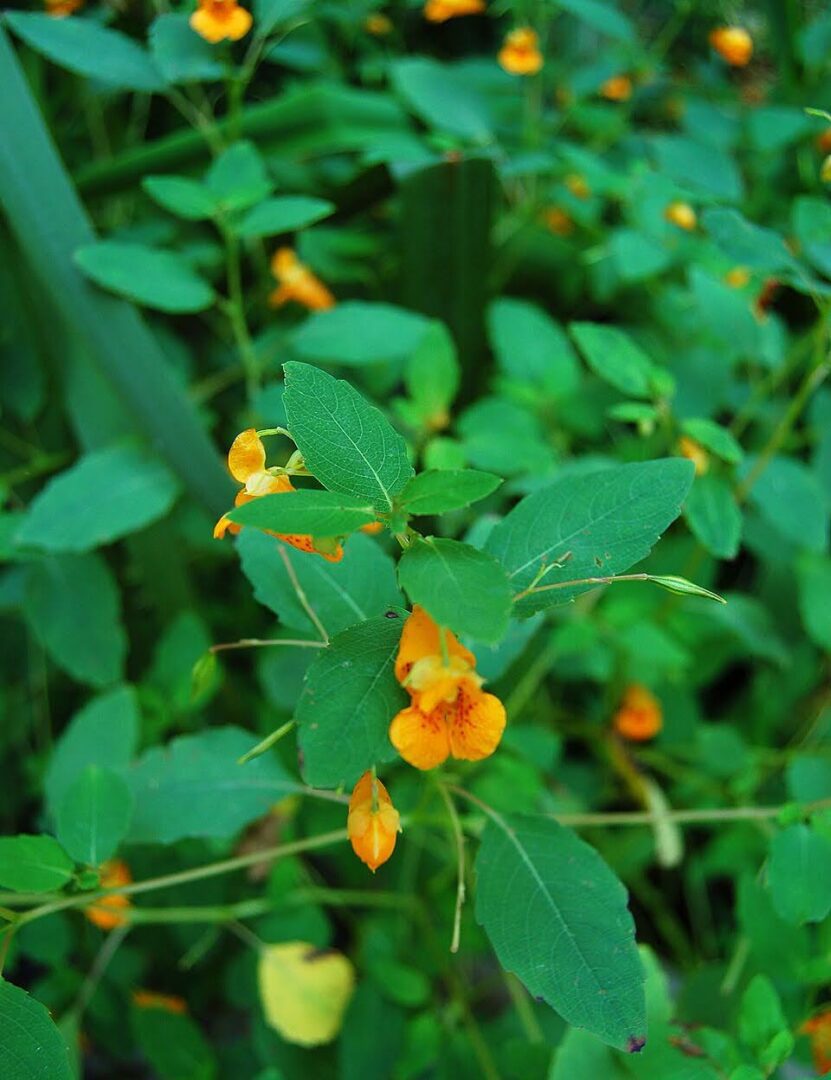
In similarly damp areas, you’ll also see Jewelweed or “touch-me-nots,” a slightly translucent stemmed green plant with bright orange or yellow flowers with fruit that will “pop” if you poke them. It has been found to be one of the few plants that can successfully compete with the invasive Garlic Mustard. Jewelweed’s sap can also relieve the itching and painful symptoms of poison ivy, hives,  and stinging nettle.

Joe Pye Weed

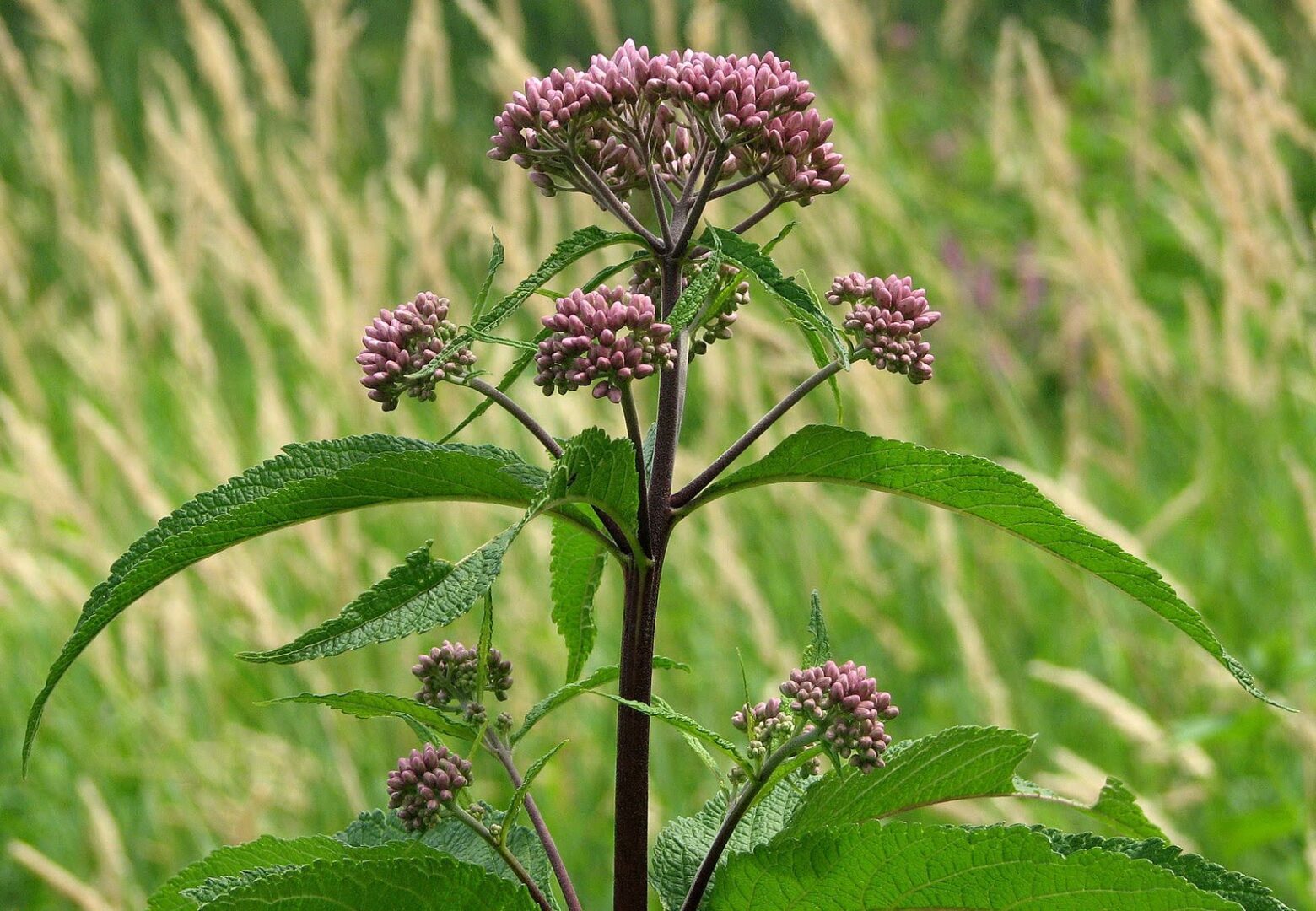
That tall, gangly, pink flowered plant you’ve seen in meadows and at the Botume House Visitor Center pollinator garden is Joe Pye Weed. Next, you can expect to see our yellow goldenrods begin to bloom in open fields and meadows, and our white wood asters will dot the forest floor (check out the Botume House Visitor Center’s Spot Pond).

Grey Catbird

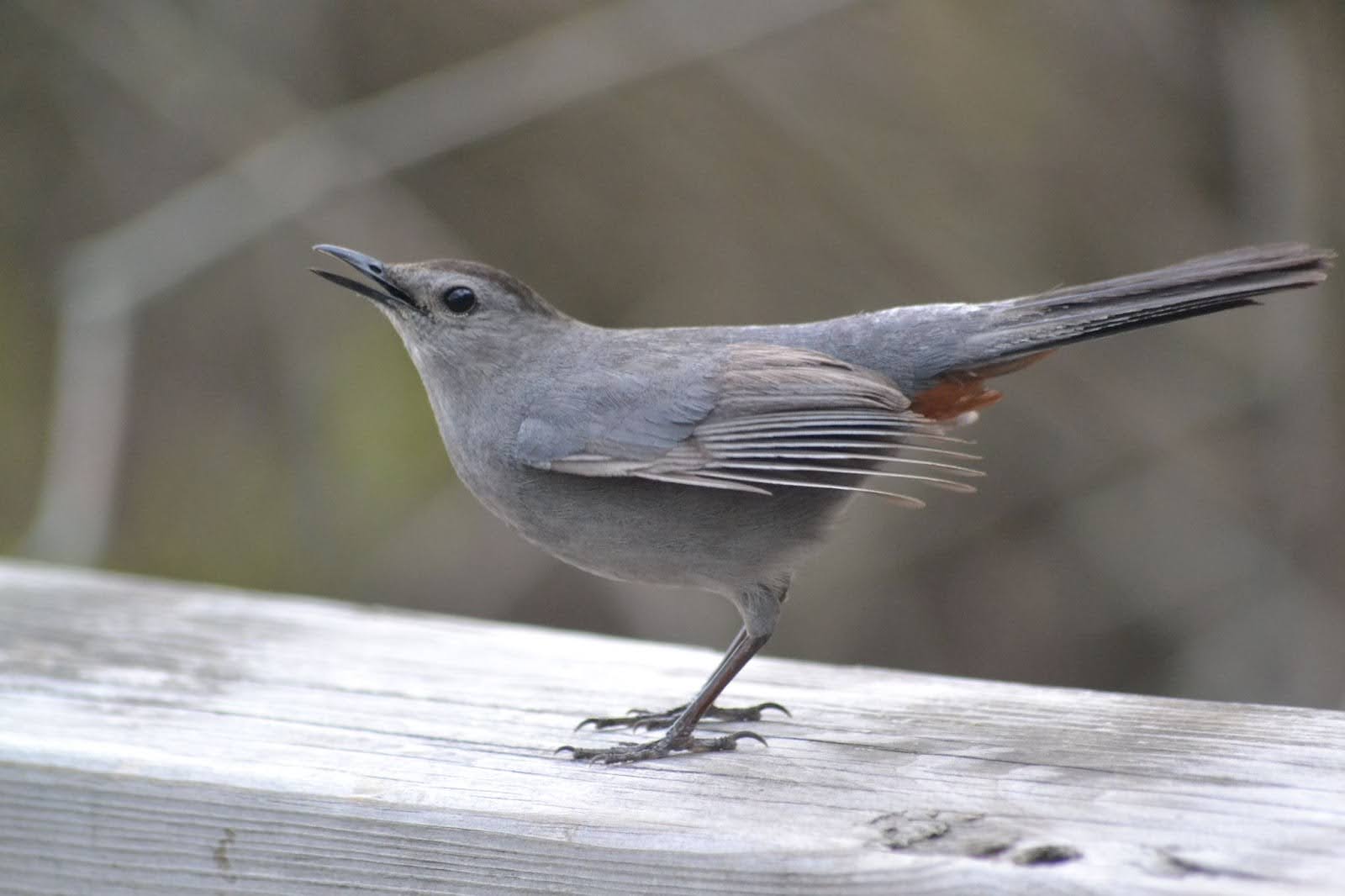
Our birds continue to be active each day, whether on land, air, or water. You may see the Great Blue Herons on the Great Island in Spot Pond, or even flying above Bellevue Pond. The classic screeching “meow” call of the Grey Catbird is prominent alongside the Blue Jay jeer. Mallards and Canada Geese dot the various reservoirs in the Fells, and you may event be able to spot a Barred Owl or hear it’s melodic “who cooks for you” call. 

As we approach late summer, we encourage you to get outdoors to appreciate the natural beauty of the Middlesex Fells and all who call our beloved park home. Remember to send friends@fells.org photos from your Fells adventures for a chance to be featured in future blog posts

We look forward to seeing you out on the trails!

Resources:

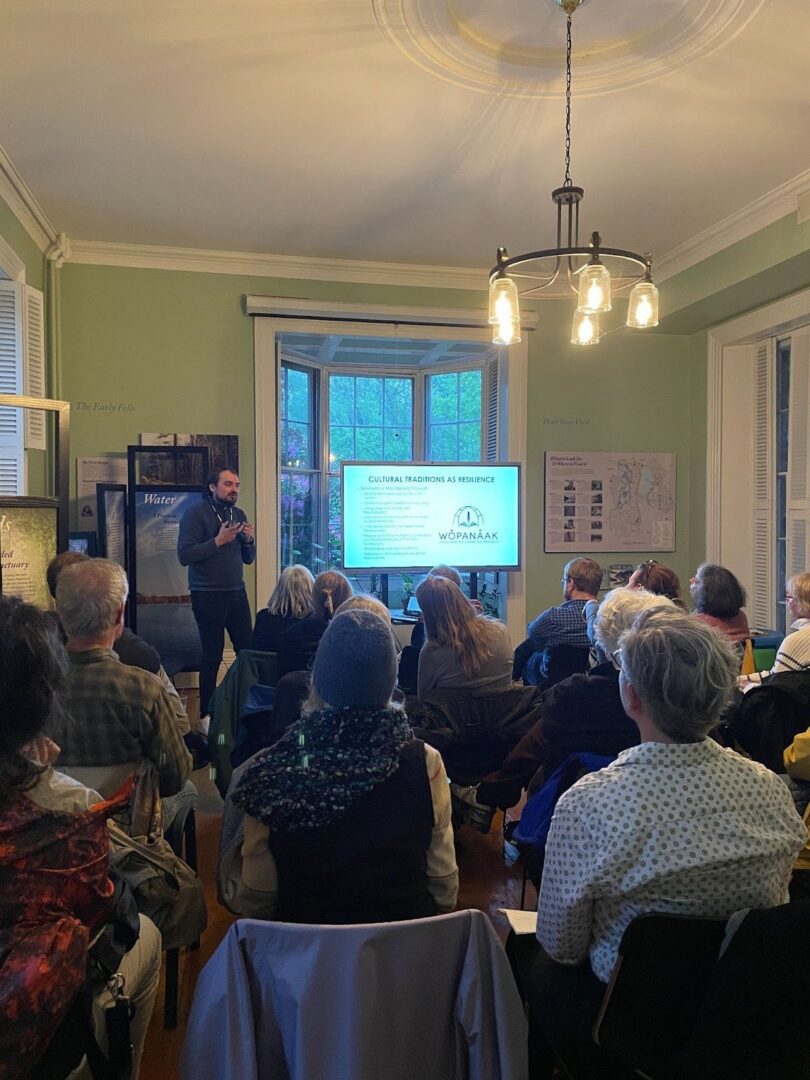
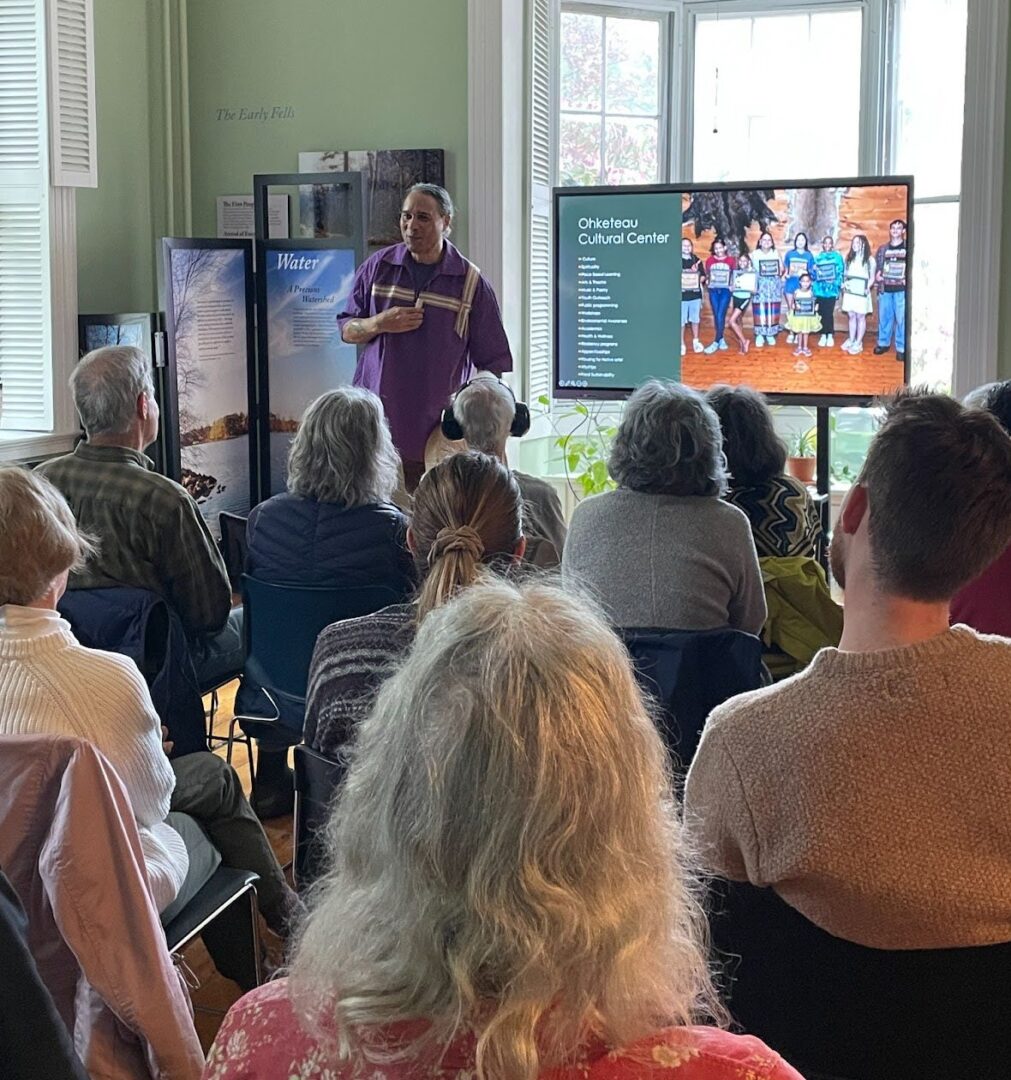
Brad presents on indigenous cultural traditions as a form of resilience at Botume House.

by Niti Seereeram

The Native Land Learning Series, funded by a Freedom’s Way National Heritage Area grant, kicked off on Thursday, May 22nd, with an educational presentation about Indigenous Peoples led by Brad Lopes. Brad is a citizen of the Aquinnah Wôpanâak Tribe on Noepe and Native American Teacher Retention (NATRI) Program Manager at the Mashpee Wampanoag Education Department. Brad covered the rich linguistic and cultural history of tribal communities in the Dawnland, the Wabanaki term for New England, which references the sun rising over the Eastern portion of the continent.

Brad described the close kinship and linguistic ties between tribes before European colonization, which focused on relationships with land, water, and community. These relationships were disrupted due to disease, loss of land, and forced assimilation of Indigenous peoples into Western ideology and are still seen today: a phenomenon called ongoing settler colonialism, in which Indigenous communities have less access to safe housing, education, and resources. Brad advocated for Indigenous sovereignty and cultural resilience through decolonized historical understanding in education and better public awareness of Indigenous histories and experiences. Brad works to assert Indigenous presence and rights to their ancestral homeland by revitalizing language and traditional practices through programs like the Wampanoag Language Reclamation Project. Visit https://www.aquinnah.org/team/brad-lopes to learn more and get involved with his work.

Larry Spotted Crow Mann discusses the Ohketeau Cultural Center (meaning ‘a place to plant and grow’) in Ashfield as part of his presentation at Botume House.

On Saturday, May 23rd, we welcomed Larry Spotted Crow Mann to the Fells for our second event in the series. Larry is an enrolled citizen of the Hassanamisco Nipmuc Tribe, an award-winning author, and director of The Ohketeau Cultural Center. He shared his personal story of overcoming alcohol addiction and dedicating his life to supporting Native youth and preserving Native American culture, language, and traditions through storytelling, education, and community programs. He emphasized the need for accurate Indigenous representation in school curricula and the important role of storytelling in Native American culture as a method of teaching, healing, and preserving traditions. From kindergarten through college, most students are not provided with meaningful, accurate, or comprehensive content about the diverse Native American Tribes and their histories across the United States, leading to poor outcomes for Native Students, including perpetuation of stereotypes and unsafe experiences for students.

Larry founded the Ohketeau Cultural Center as a space to uplift Indigenous voices, dismantle unjust frameworks, educate youth, and provide a safe space for the community to gather. The center focuses on education, culture, health, and wellness, offering various programs like youth events, vaccine clinics, and cultural workshops. Larry is also the author of many books, including “The Adventures of Kehteau,” which follows a young Nipmuc boy as he explores different tribal lands across Indian Country and learns about the diverse languages, lands, and traditions. You can check out “The Adventures of Kehteau” and Larry’s other works at whisperingbasket.com


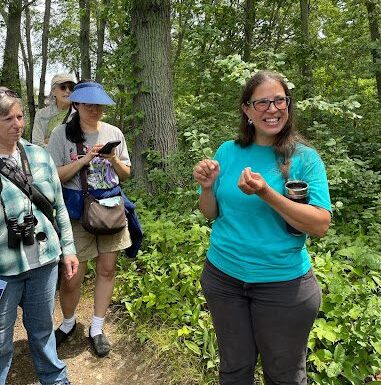
Elizabeth James-Perry leads participants on a plant walk, discussing the valuable role of plants in tribal life and culture.

The series concluded on Friday, July 11th with a Fells plant walk led by Elizabeth James-Perry, an Aquinnah Wampanoag Culture Bearer, Educator, and restorative Native gardener who is dedicated to the revival and continuity of valuable Indigenous knowledge. Walking among the summer blooms of the Fells, Elizabeth identified Indigenous plants and discussed the valuable role these plants play in tribal life and culture. Plants such as black birch, bee-balm, and winterberry can be brewed into medicinal teas. The fiber from milkweed plants is utilized in weaving and textile-making among many Indigenous communities. The bright red Sumac berries can be used as a permanent red dye and are a great source of vitamin C.

A steward of her own native garden, Elizabeth emphasized the importance of maintaining sustainable and regenerative native habitat to increase ecological function. She encouraged conservation organizations to partner with Indigenous tribes and invest in traditional ecological knowledge practices, such as oyster beds and controlled burns for sustainable land management. After the walk, Elizabeth shared her Wampum jewelry, a traditional and contemporary coastal Algonquian art form, made from quahog clams. Thick, durable, and marbled in purple and white coloring, Wampum was historically used for record keeping and treaty making within tribes. Elizabeth’s Wampum artwork explores themes of the Northeastern Woodlands, maritime traditions, and Native identity and sovereignty. To see more of her artwork available for purchase, go to https://elizabethjamesperry.com/ and visit Elizabeth’s recent garden installations at the Native Herring Garden in Chelsea, MA, and the Little Compton Historical Society Sculpture Garden in RI. 

Thank you to Freedom’s Way National Heritage Area for making this Native Land Learning Series possible! If you’d like to support our educational initiatives and our indigenous people programming, please consider making a donation or becoming a member of the Friends of the Fells today.

Malden Out of School Time

Friends of the Fells Camp and Youth Development Director Liz Cohen launched the afterschool hiking program through MOST (Malden Out of School Time) in 2024. Beginning with the Salemwood School last year, the program expanded to include the Beebe School for the 2025 season. The program’s main goal is to provide students with time outside to connect with nature, encouraging them to develop a deeper appreciation for the natural world. The program’s mission is increasingly important in today’s digital age where children spend much more time in front of screens than previous generations. The amount of time children spend outside has fallen dramatically compared to the past with U.S. children today spending 35% less time playing outside freely than their parents.


Running in the spring and fall for six-week sessions, the MOST afterschool hiking program meets once a week. Buses pick students up from school and drop them off at different trailheads in the Fells. Met by Liz and MOST seasonal staff members, the students then set off to explore the trails, learning about the surrounding flora, gaining confidence in their ability to navigate rocky terrain, and spotting local wildlife. Students enjoyed the exertion of each hike, with middle schooler Evaluna commenting that each hike “was the right amount of challenge.” On any given day, students can find themselves skipping rocks on the reservoir or climbing to the top of Boojum rock for a view of the Boston skyline.


“What I enjoy most about the hiking program is watching our participants’ relationship with nature grow and change over the duration of the program.”

-Liz Cohen, Fells Camp and Youth Development Director

Students from the Beebe School pose with MOST staff.

With over twenty years of experience as an educator, Liz excels at engaging with students and making sure everyone feels included regardless of their comfort level in nature.

Highlighting some of her favorite moments from this year, Liz said, “While being outdoors for work is certainly a bonus, what I enjoy most about the hiking program is watching our participants’ relationship with nature grow and change over the duration of the program. Some of the kids who attend have never spent any meaningful time in the woods prior to our hikes, and are therefore naturally weary of insects, steep rocks, and the forest creatures they encounter. Over time, I continuously see the kids’ guard go down and their excitement rise, and this is incredibly rewarding.

“Particularly this spring when a participant, though noticeably nervous, pushed herself through the scary stuff each week, and with the encouragement of her group, traversed logs, scrambled rocks at Panther Cave, and explored a stream with delight. She was so profoundly proud of her accomplishments, and bearing witness to that kind of growth each season is quite special.”

Reflecting on her experience working with Liz, MOST staff member Olivia Forestier said, “The Salemwood School is so lucky to have Liz leading our hikes every week. When students are asked what their favorite thing about the afterschool program is, they always say hiking with Liz. Thank you for being so patient and encouraging to our kiddos!” The MOST afterschool hiking program has facilitated over 100 student visits to the Fells this past year.

Funding for the MOST program this school year was provided in part by a grant from the City of Malden and a grant awarded to Darren Josey of First Seed Sown from the Massachusetts Office of Outdoor Recreation. Our ability to provide the afterschool hiking program depends on the generosity of our members and donors. If you’d like to support our work, please consider making a donation or becoming a member of the Friends of the Fells today.

For the past 11 months, we’ve had the pleasure of having Niti Seereeram serve as the Land Stewardship Coordinator at the Friends of the Fells through an AmeriCorps program called TerraCorps.

You may have met Niti at one of her Walks for Wellness, or on one of her many educational programs on vernal pools, trails, or queerness found in nature. Or maybe you spent a few hours with Niti, toiling in the soil removing invasive plants and learning more about them. These programs are but a small part of the positive impact Niti has had in caring for the Fells and supporting the Friends of the Fells community.

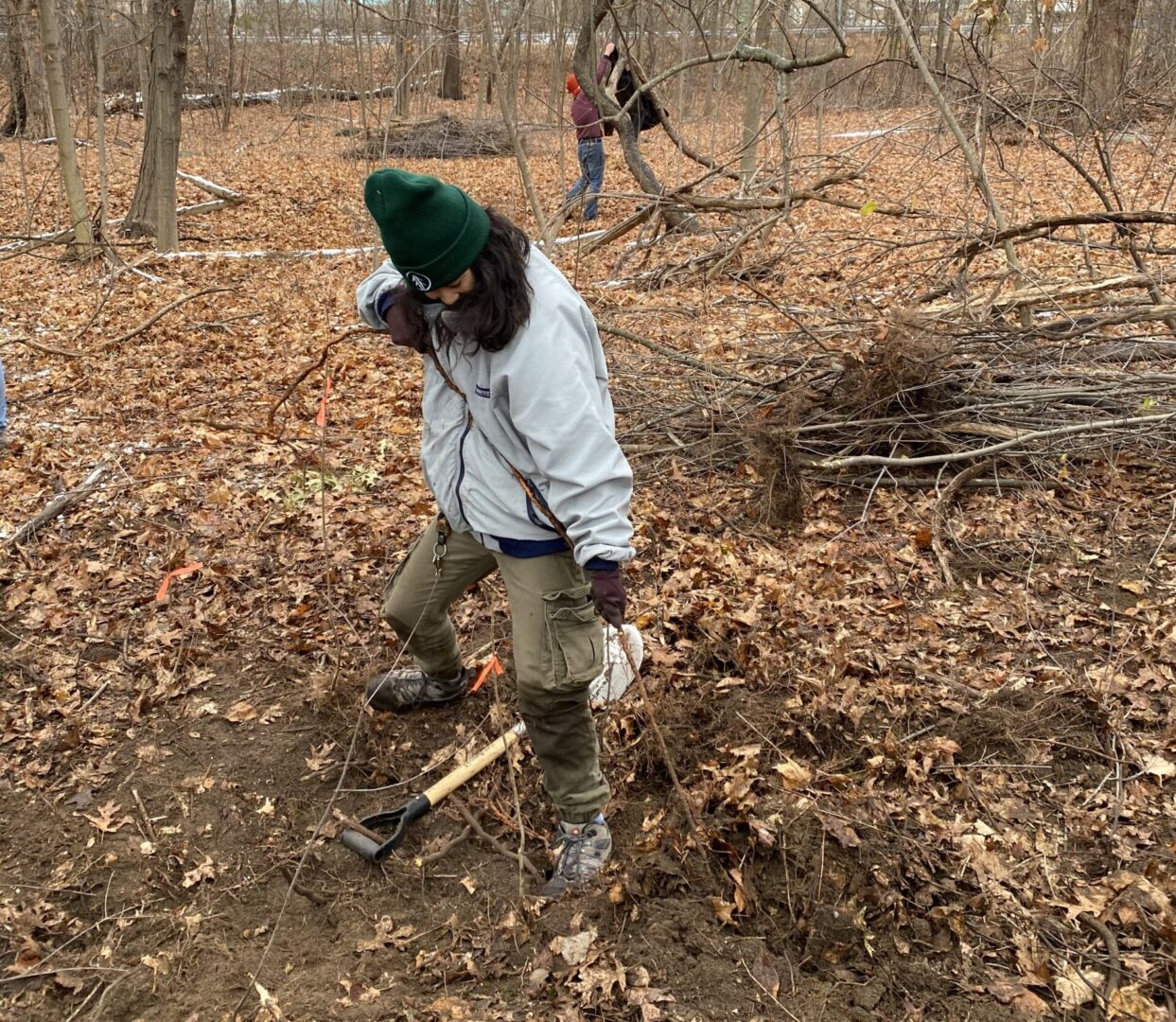
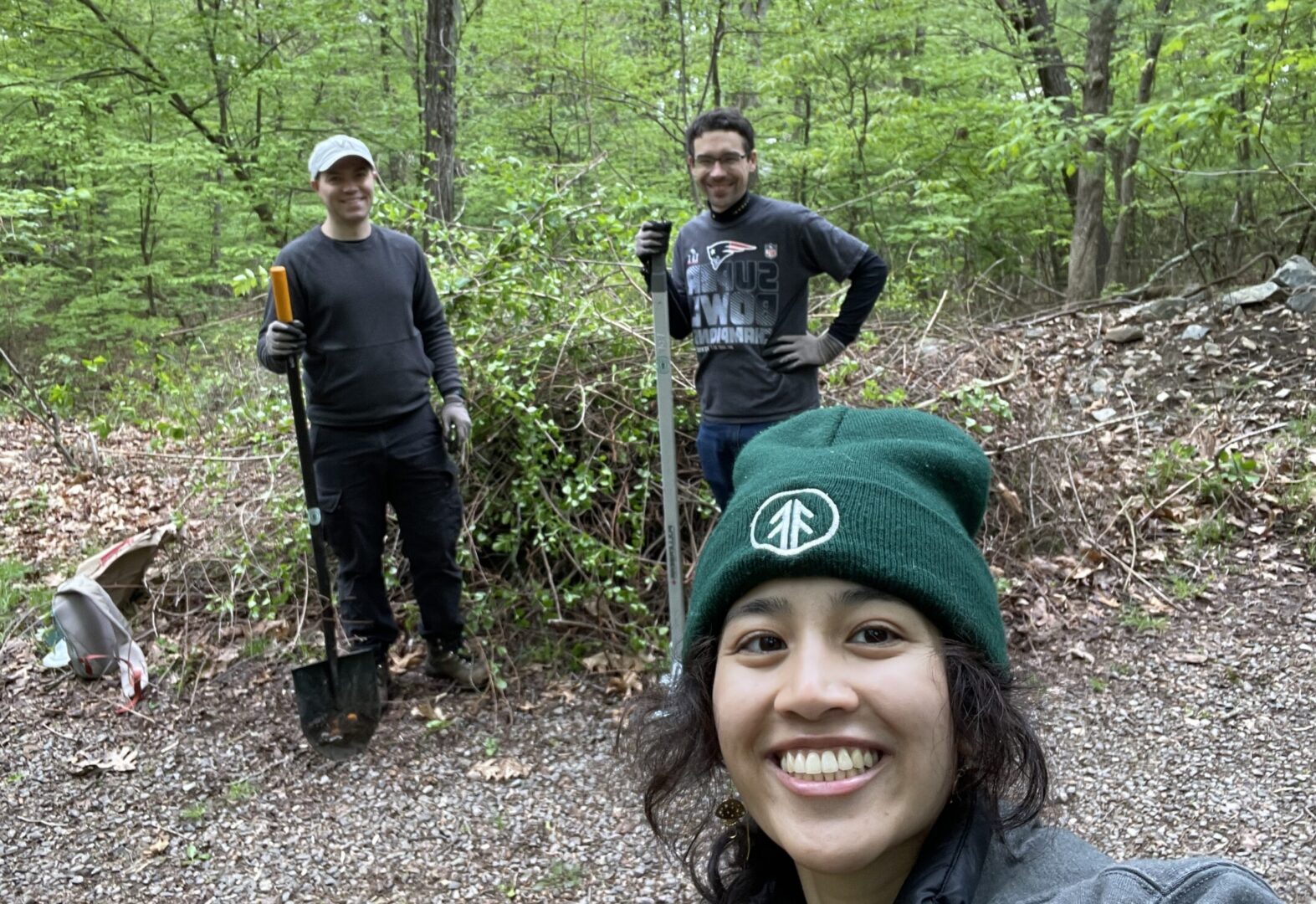
Niti removes bittersweet at one of her winter invasive plant removal events.

Since September of 2024, Niti has been hard at work on a few priority projects. When Niti first arrived at the Fells, she managed our invasive plant management project in the Bellevue Pond area, including documenting invasive plants, leading multiple volunteer groups to manage the invasive plants, and keeping an eye on the area’s progress and transformation throughout the year. These activities resulted in a deeper impact on managing invasive plants and determining how effective our efforts have been in that area.

Over the winter, Niti created the Native Land Learning series, which featured three Massachusetts-based Tribal artists and educators who spoke about a variety of topics. Brad Lopes first discussed indigenous tribes and peoples of the Fells and New England, and then Larry Spotted Crow Mann discussed Nipmuc storytelling in May. Elizabeth James-Perry then brought some of her Wampum art and took attendees on a plant walk through the Fells in July.

Niti and two of our volunteers working on bittersweet and buckthorn over by Bellevue Pond.

During her term with us, Niti also developed a handbook and recruitment system for outing leaders in the Fells, which will be shared with our volunteers soon. We are constantly on the search for engaging and devoted volunteers interested in guiding hikers throughout the Fells on a variety of routes, trails, and topics, and Niti has worked to make that recruitment process easier and more accessible.

In addition to these capacity-building projects, Niti has created multiple educational materials and programs around invasive plants, developed her own programming outside these project areas, and contributed to getting the word out about our volunteering opportunities and programs in local communities.

Thank you, Niti, for all your hard work over the past year! We will miss you dearly and wish you all the best in your future endeavors!

Friends of the Fells is thrilled to welcome and introduce Mollie O’Leary, our Development and Communications Manager.

Mollie started her career as an English teacher and a Track & Field coach. Her love of language and community-building led her to Beacon Hill Books, where she focused on improving the bookstore’s web presence, online sales, and external communications.

”Friends of the Fells is delighted to welcome Mollie to our staff team,” says Chris Redfern, the Executive Director of Friends of the Fells. “Her passion for the Fells and background in communications allows us to up our game in connecting people to the Fells and better protecting our favorite forest.”

You may have already seen some of Mollie’s work in our newsletters and via our social media channels. Keep an eye out for more fun and engaging communications and increased information about our current and upcoming projects from Mollie.

“I’m so excited to be a part of the Friends of the Fells team and to support an organization that aligns with my own values around conservation, sustainability, and community,” says Mollie. “I’ve spent many afternoons hiking and running in the Fells, and it’s great to be able to give back to a place that has been the backdrop of so many great memories.”

When she’s not crafting beautiful communications about the Fells and our work, Mollie enjoys bike-commuting to the office, going for runs along the Charles (and in the Fells!), and writing poetry in local coffee shops.

Welcome to the Fells team, Mollie – we’re excited to have you join us!


Banner photo by Mary H. New